Crypto can feel like a blur of charts, prices, and strange token names. It is easy to get lost, click the wrong thing, or chase hype.
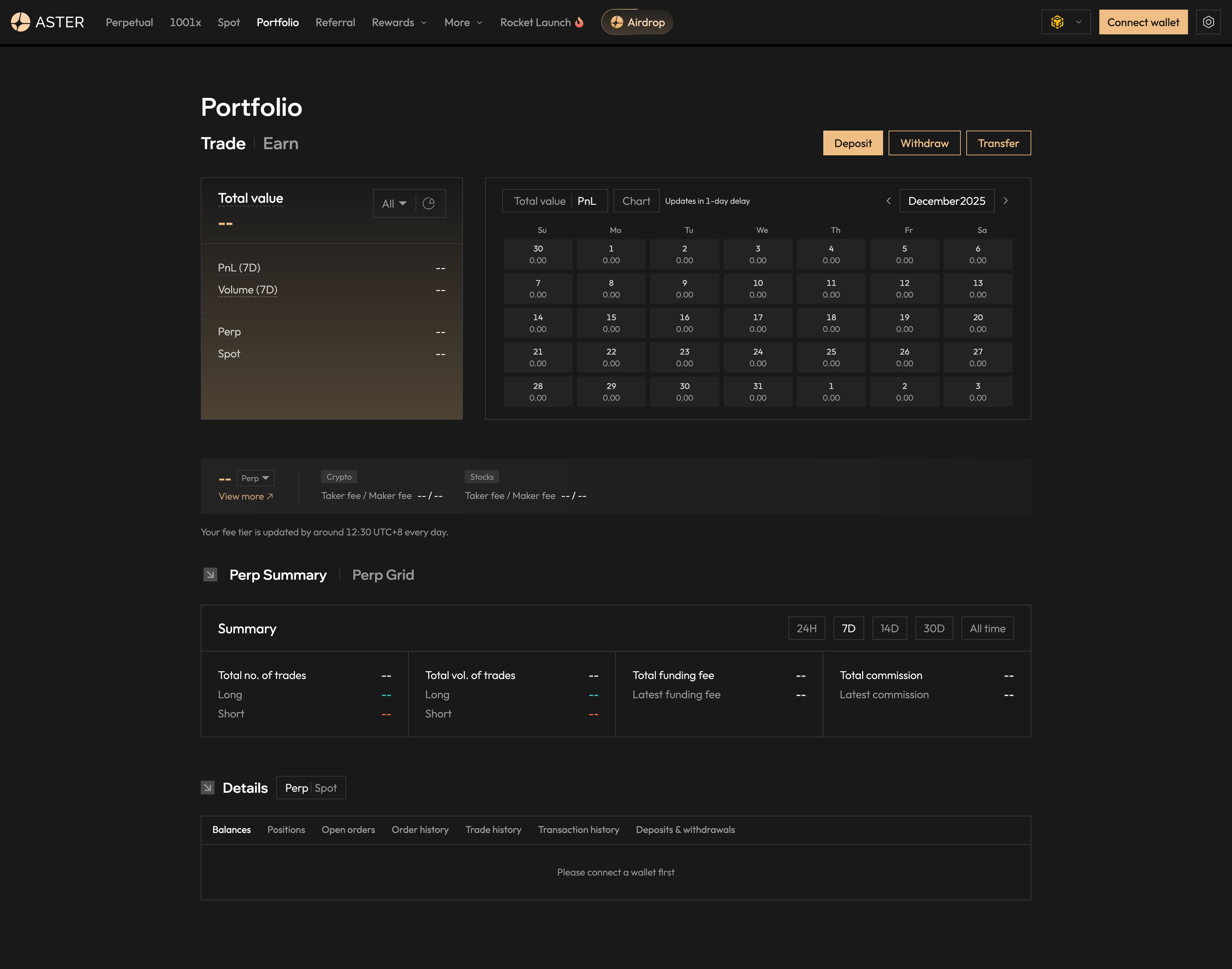
AsterDex tries to calm that chaos. It is a new crypto and DeFi tool that pulls your coins, pools, and on-chain data into one clean view. You get clear data, a simple interface, and support for smarter trading decisions.
This guide explains what AsterDex is, how it works, who it is for, and how to get started, all in under 1,000 words.
What Is AsterDex?
AsterDex is a crypto tracking dashboard and index-style tool. Think of it as your control center for tokens and DeFi activity.
Instead of checking five different apps, you open AsterDex and see a single screen with your main coins, key prices, and basic on-chain trends. It collects live data from blockchains like Ethereum and other networks, then turns that into simple charts, lists, and alerts.
You can check token prices, trading volume, and liquidity. You can also see big wallet moves, such as large buys or sells. All of this comes from on-chain data tools inside the platform.
For a new user, the goal is clear. AsterDex helps you see what is really happening before you click buy or sell, so your choices are based on data, not social media noise.
Here are some core features that keep crypto from feeling like guesswork:
Token watchlists: You can save the coins you care about in a personal list. This keeps you from hunting through random charts every time you want to check a price.
Price and volume charts: AsterDex shows basic charts with price moves and trading volume. Rising price with rising volume can mean strong interest. Rising price with weak volume can be a warning sign.
On-chain activity feed: You can see large transfers, new wallet activity, and other simple DeFi analytics. That helps you spot sudden moves or strange patterns before you act.
Simple search for new coins: Type a token name or paste a contract address. This reduces the risk of clicking the wrong token with a copycat name.
Wallet tracking: Connect your own wallet and see your holdings in one place. Or watch public wallets to study how experienced traders move.
Basic alerts: Set alerts for price moves, volume spikes, or wallet actions. You get a signal when something important happens, so you do not need to stare at charts all day.
Each feature exists to save time, remove confusion, and lower the chance of rash decisions.
Different people will use AsterDex in different ways.
Casual traders might only watch a few coins. They use AsterDex to track prices, check simple charts, and get alerts when a token hits a target price. For example, a user could set an alert when gas fees drop before making a swap.
Active DeFi users often handle many tokens and pools. They use the dashboard to track liquidity, pool rewards, and key on-chain data across several networks. AsterDex helps them see if a new token has real trading volume or if liquidity is too low for a safe trade.
Builders, analysts, and researchers care about trends. They might watch large wallets, study new token launches, or examine user activity across networks. AsterDex gives them a quick overview before they dig deeper with more advanced tools.
If you touch crypto at all, there is likely a way to make AsterDex fit your style.
Getting Started: Sign Up, Connect a Wallet, and Set Up Your First View
Picture opening AsterDex for the first time. Here is how that might look:
Visit the official AsterDex website. Double check the URL so you avoid fake copies.
Create an account with email, or choose to sign in directly with a wallet.
If you connect a wallet, use a trusted wallet app or extension. Never share your seed phrase or private keys.
Choose the main networks you care about, such as Ethereum, Polygon, or others that AsterDex supports.
Pick a starter dashboard layout, for example a simple view with price, volume, and your wallet balance. You can move cards around later, or add new ones as you learn.
After these steps, you have a basic home screen that shows real data, not just a blank page.
Building a Smart Watchlist on AsterDex
A good watchlist keeps your focus sharp. You do not need to follow every meme coin on the planet.
On AsterDex, you can:
Search for tokens by name, symbol, or contract address.
Click to add each token to your watchlist.
Group tokens into simple folders like DeFi, gaming, or stablecoins.
For example, you might set one group for long-term holds and another group for short-term trades. When you open AsterDex, you go straight to these lists. No more jumping between random tabs or trying to remember token tickers from memory.
Start small. Pick a handful of coins you truly care about, then expand as you grow.
Reading AsterDex Charts and On-Chain Data Without Getting Lost
Charts and on-chain numbers can look scary at first. AsterDex tries to keep them simple.
Here are the main data views and what they mean:
Price chart: Shows how the token price changed over time. A steady climb can hint at growing trust. Wild spikes up and down can point to heavy speculation.
Volume: Shows how much of the token traded in a time period. Rising volume often means more interest. Low volume can mean it is hard to buy or sell without moving the price.
Liquidity: This is the pool of tokens and coins locked for swaps. Low liquidity can make trades slip a lot, which can hurt your final price.
Holders and active wallets: These numbers show how many wallets own the token and how many are active. If holders are growing and many wallets are active, the project may have real users.
Large transfers: Big buys or sells by large wallets can move the market. If you see many big sells after a sharp price jump, that might be a sign to slow down.
Use these signals together. For example, do not chase a quick price spike if volume is weak and liquidity is thin.
Using Alerts and Simple Strategies to Stay Ahead
Alerts help you stay informed without living on your screen.
With AsterDex alerts, you can:
Set a price alert when a token falls to your planned buy zone.
Set an alert when volume on a watchlist token jumps above a normal level.
Get a ping when a wallet you track makes a large move.
Tie each alert to a simple plan. For example, you might say, "If price hits this level and volume holds steady, I will buy a small amount."
Alerts should support calm choices, not push you into panic trades. Treat them as reminders to review the data, not as commands to act right away.
Pros, Limits, and How to Use AsterDex Safely
AsterDex brings key data into one place. It can save time, cut down on random clicking, and give you a better sense of risk before each trade. The mix of watchlists, charts, and alerts can help turn noise into clear signals.
There are limits. Data can lag during heavy network use. Token lists can include scam copies, so you still need to double check contract addresses. Any tool that updates often can tempt you to react to every tiny move.
Use AsterDex as one part of your research, not your only source. Cross-check new tokens, read project sites, and beware of offers that sound too good. Never invest more than you can afford to lose, even if the charts look perfect.
AsterDex is a simple crypto tracking dashboard that pulls your coins, pools, and basic on-chain data into one view. With watchlists, clear charts, and smart alerts, it supports better choices and calmer trading.
The tool fits many types of users, from curious beginners watching a few coins to busy DeFi users who track several networks and pools. If you want clearer data without drowning in tabs, AsterDex can be a helpful daily or weekly check-in tool.
Start small. Add a short list of tokens, set a few alerts that match your plan, and learn the charts at your own pace. Use AsterDex to back up your strategy, not as a get rich quick system, and let slow learning and smart risk guide every move.

Mobirise.com